The digital landscape evolves constantly, driven by new technologies, processes, and frameworks. One emerging concept in the world of data analytics, business intelligence, and enterprise resource planning is ONTP&RE. Although the acronym may seem complex at first, understanding ONTP&RE is essential for professionals and businesses aiming to improve real-time decision-making, data handling, and system integration.
TL;DR (Too Long; Didn’t Read)
ONTP&RE stands for Operational Near-Time Processing and Real-time Execution. It is a hybrid architecture and methodology that enables businesses to process, analyze, and act on large volumes of data almost instantaneously. Unlike traditional data systems that rely on periodic batch updates, ONTP&RE aims for continuous data flow, making it ideal for industries that depend on real-time insights. This approach helps organizations become more agile and responsive, reducing delays and improving operational efficiency.
Understanding ONTP&RE: A Simple Breakdown
To demystify ONTP&RE, let’s first understand what each component means:
- Operational: Refers to systems and processes involved in the daily functioning of an organization—like logistics, sales, customer service, and manufacturing.
- Near-Time Processing: A data handling approach that allows for quick processing—typically seconds to minutes after data is generated—but not truly instant.
- Real-time Execution: The ability of a system to react to inputs or changes as they happen, often with sub-second latency.
Together, ONTP&RE represents a hybrid approach where data is collected, analyzed, and used to make decisions very quickly, almost at the speed of real-time—bridging the gap between traditional batch processing and high-speed analytics.
The Need for ONTP&RE
In today’s data-driven world, speed and agility are not luxuries—they are necessities. Traditional analytics systems often suffer from latency, as they rely on scheduled batch data processing. These systems are not efficient for business scenarios that demand immediate insights and action. For example:
- A stock trading platform needs to detect and act on market changes in real time.
- An eCommerce site should adjust prices or product recommendations based on user activity instantly.
- A logistics company must reassign delivery routes on-the-fly based on traffic or weather data.
This is where ONTP&RE comes into play. By combining near-time data processing with real-time execution, it enables faster, smarter, and more automated decision-making processes.
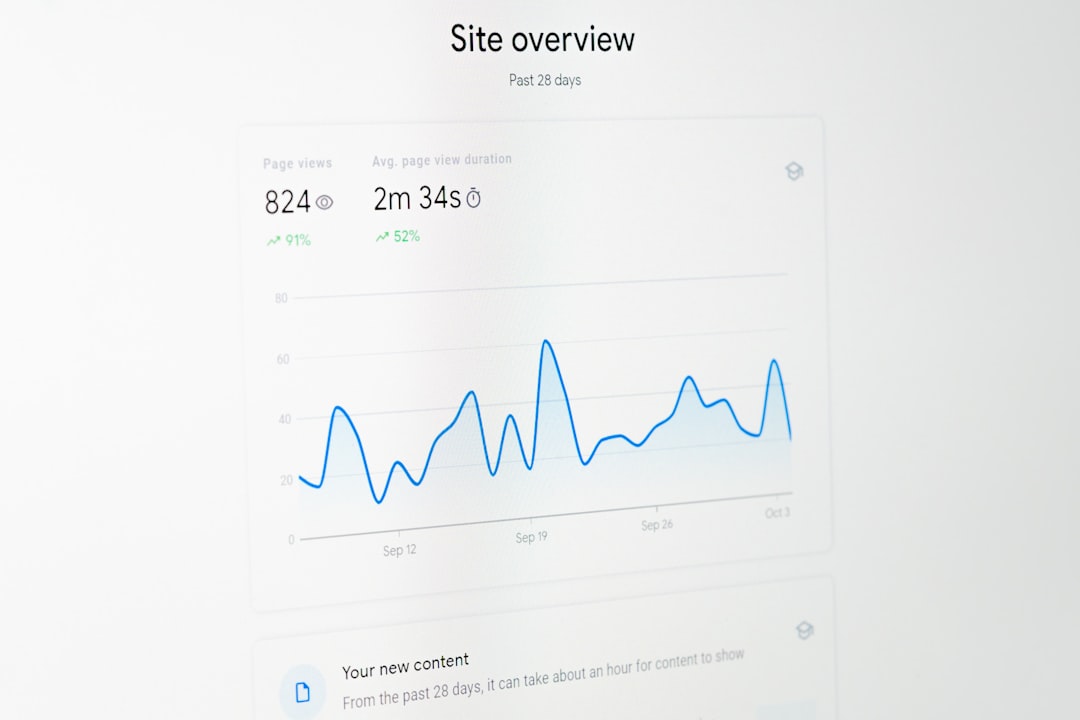
How Does ONTP&RE Work?
While implementations may vary across platforms and industries, most ONTP&RE systems follow a four-step process:
- Data Ingestion: Stream or capture data from various sources, such as IoT sensors, databases, user behaviors, or third-party APIs.
- Near-Time Processing: Quickly process incoming data using in-memory processing engines, data lakes, or message queues.
- Real-Time Execution: Trigger automated actions or alerts immediately after processing using predefined rules, AI models, or event-driven architectures.
- Feedback Loop: Monitor actions and results continuously to optimize the system using machine learning or manual adjustments.
This architecture not only reduces data latency but also allows for continuous learning and optimization—making systems more intelligent over time.
Use Cases of ONTP&RE
Several industries can benefit from adopting ONTP&RE, including:
- Finance: Fraud detection, algorithmic trading, risk management.
- Retail: Dynamic pricing, inventory management, personalized recommendations.
- Healthcare: Patient monitoring, predictive diagnostics, emergency response systems.
- Transportation: Fleet tracking, route optimization, incident response.
- Telecommunications: Network monitoring, real-time billing, customer support automation.

Benefits of ONTP&RE
Implementing ONTP&RE offers multiple advantages over traditional data systems:
- Speed: Process and respond to data in milliseconds instead of hours or days.
- Scalability: Easily handle growing data volumes and user activity.
- Automation: Reduce manual intervention with smart, rule-based, or AI-driven actions.
- Accuracy: Use real-time data to make more precise decisions.
- Customer Experience: Deliver personalized services and faster responses, increasing satisfaction and loyalty.
Challenges and Considerations
While ONTP&RE provides many benefits, it also comes with its own set of challenges:
- Complexity: Integrating real-time and near-time technologies requires careful planning and technical expertise.
- Cost: High-performance systems and infrastructure can be expensive to implement and maintain.
- Data Governance: As data is processed at high speed, ensuring data quality, security, and compliance becomes more challenging.
- Skill Requirements: Developers and analysts need specific training in real-time architecture, stream processing, and cloud platforms.
To overcome these hurdles, organizations should consider phased implementation, using pilot projects to demonstrate ROI and train staff before scaling fully.
ONTP&RE vs Traditional Systems
| Aspect | ONTP&RE | Traditional Systems |
|---|---|---|
| Data Processing | Near-time and real-time | Batch (daily, weekly, etc.) |
| Response Time | Seconds or milliseconds | Minutes to hours |
| Scalability | Highly scalable with streams | Limited scalability |
| Automation | High, with AI/ML triggers | Low, mostly manual |
| Use Case Fit | Real-time needs | Historical analysis |
Conclusion
ONTP&RE isn’t just a buzzword; it’s a transformative approach that aligns with the demands of today’s fast-paced digital ecosystem. By combining the immediacy of real-time execution with the flexibility of near-time data processing, it enables businesses to remain agile, efficient, and competitive.
As data continues to serve as the cornerstone of innovation, frameworks like ONTP&RE are paving the way for smarter operations, predictive strategies, and enhanced user experiences.
FAQ: Frequently Asked Questions
- Q: What does ONTP&RE stand for?
A: It stands for Operational Near-Time Processing and Real-time Execution. - Q: How does ONTP&RE differ from real-time processing?
A: It integrates near-time data processing, which may have slight delays, with real-time execution to offer fast but practical performance for business operations. - Q: What kind of infrastructure is needed for ONTP&RE?
A: Typically, cloud platforms, in-memory data stores, event-driven architectures, and real-time analytics tools are core components. - Q: Is ONTP&RE suitable for small businesses?
A: Yes, especially with the affordability of cloud services and scalable tools. Small businesses benefit from quicker decision-making and automation. - Q: Can ONTP&RE be implemented gradually?
A: Absolutely. Many companies start with one use case, such as real-time customer notifications, and expand incrementally.
