In a rapidly modernizing world filled with concrete skylines and digital interactions, certain elements of cultural heritage continue to anchor communities in their roots. One such enduring institution in Thailand is the tumbon — a local administrative unit that is quietly, yet significantly, shaping the interplay between tradition, culture, and contemporary lifestyles.
TLDR: Tumbons, the sub-district administrative units in Thailand, serve as crucial links between local governance and grassroots community culture. While their origins are deeply rooted in historical Thai administrative systems, they continually evolve to meet modern public needs. By nurturing traditions and balancing them with innovation, tumbons function as key players in local development, tourism, and cultural preservation. Their adaptability ensures the blend of old values and new realities, offering a sustainable model of localized progress.
What is a Tumbon?
The term tumbon (sometimes spelled “tambon”) refers to a sub-district in Thailand’s administrative hierarchy. It sits below the amphoe (district) and above the muban (village). Historically, tumbons were formed as part of the administrative reorganization initiated during the reign of King Chulalongkorn (Rama V) in the 19th century. The objective was to bring a more organized and efficient governance structure to the rural parts of the kingdom.
Today, each tumbon typically consists of several villages and is governed by a Local Administrative Organization known as the Tambon Administrative Organization or TAO. The TAO is responsible for providing basic utilities, managing infrastructure, preserving the environment, and promoting cultural affairs.
Cultural Significance and Heritage
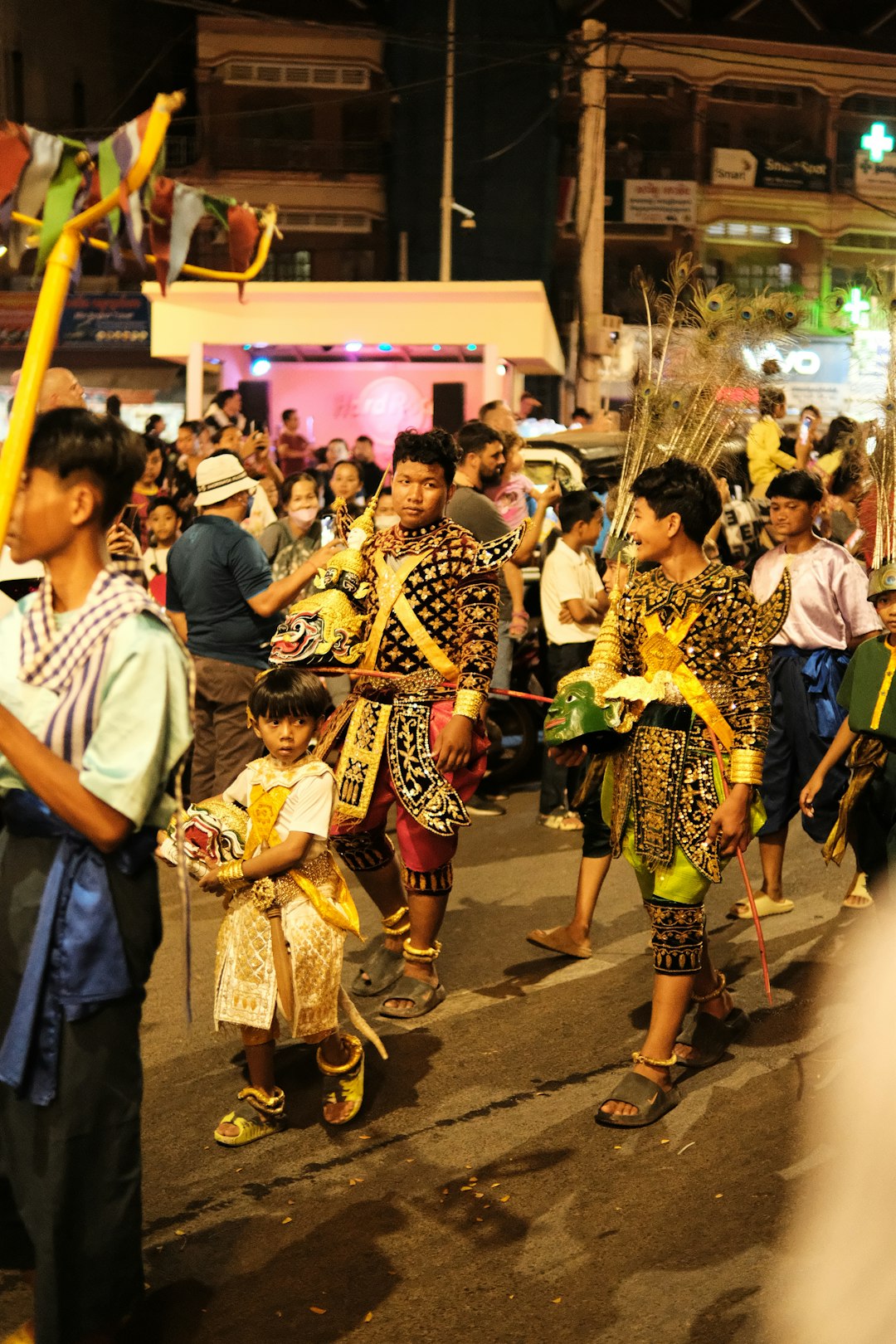
One of the defining characteristics of a tumbon is its intimate connection with local culture and heritage. Unlike urban areas where traditions often yield to modernization, tumbons act as custodians of native customs, rituals, and societal values. Tumbons often organize and support seasonal festivals, Buddhist celebrations, and artisanal markets, nurturing a strong sense of identity and belonging among residents.
These festivals often include:
- Loy Krathong: Celebrated across Thailand but enriched with local interpretations in each tumbon.
- Songkran Festival: Featuring community-wide water exchanges, parades, and temple ceremonies that vary from village to village.
- Ong Phra Processions: Seen especially in Northern tumbons where ancient Lanna culture still thrives.
By keeping such traditions alive, the tumbon functions not just as a bureaucratic unit but also as a cultural stronghold. It ensures generational continuity in values and customs.
Responsive Governance and Community Empowerment
While their cultural role is significant, tumbons also serve a critical governance purpose. At a more localized level, the TAO facilitates participatory governance, giving villagers a voice in local planning and budget allocation. This proximate decision-making process fosters transparency, efficiency, and greater engagement among residents.
The key features of tumbon-based governance include:
- Transparency: Regular town hall meetings ensure community participation in budgeting and project planning.
- Sustainability: Emphasis on green projects, such as tree planting, community gardening, and bamboo housing models.
- Education: Local educational centers managed within tumbons promote literacy and skill-based training for adults and youth alike.
In remote areas, where access to centralized government services can be limited, the tumbon’s role as a local focal point becomes essential. It can provide timely agricultural assistance, respond more quickly to natural disasters, and support local entrepreneurs through micro-loan programs.
Economic Development through Local Resources
Local economies in tumbons are often based on agriculture, handicrafts, and small-scale food production. With increasing interest in sustainable and community-based tourism, many tumbons have leveraged their indigenous skills and landscapes to attract visitors seeking authentic experiences.
Key economic activities include:
- Handicrafts: Such as silk weaving, pottery, and bamboo products that reflect traditional techniques passed down through generations.
- Agriculture: From rice and rubber plantations to the cultivation of Thai herbs and organic vegetables, crucial to both self-sufficiency and economic trade.
- Eco-Tourism: Organized homestays, forest trails, and cultural workshops offer tourists a deep dive into local life.
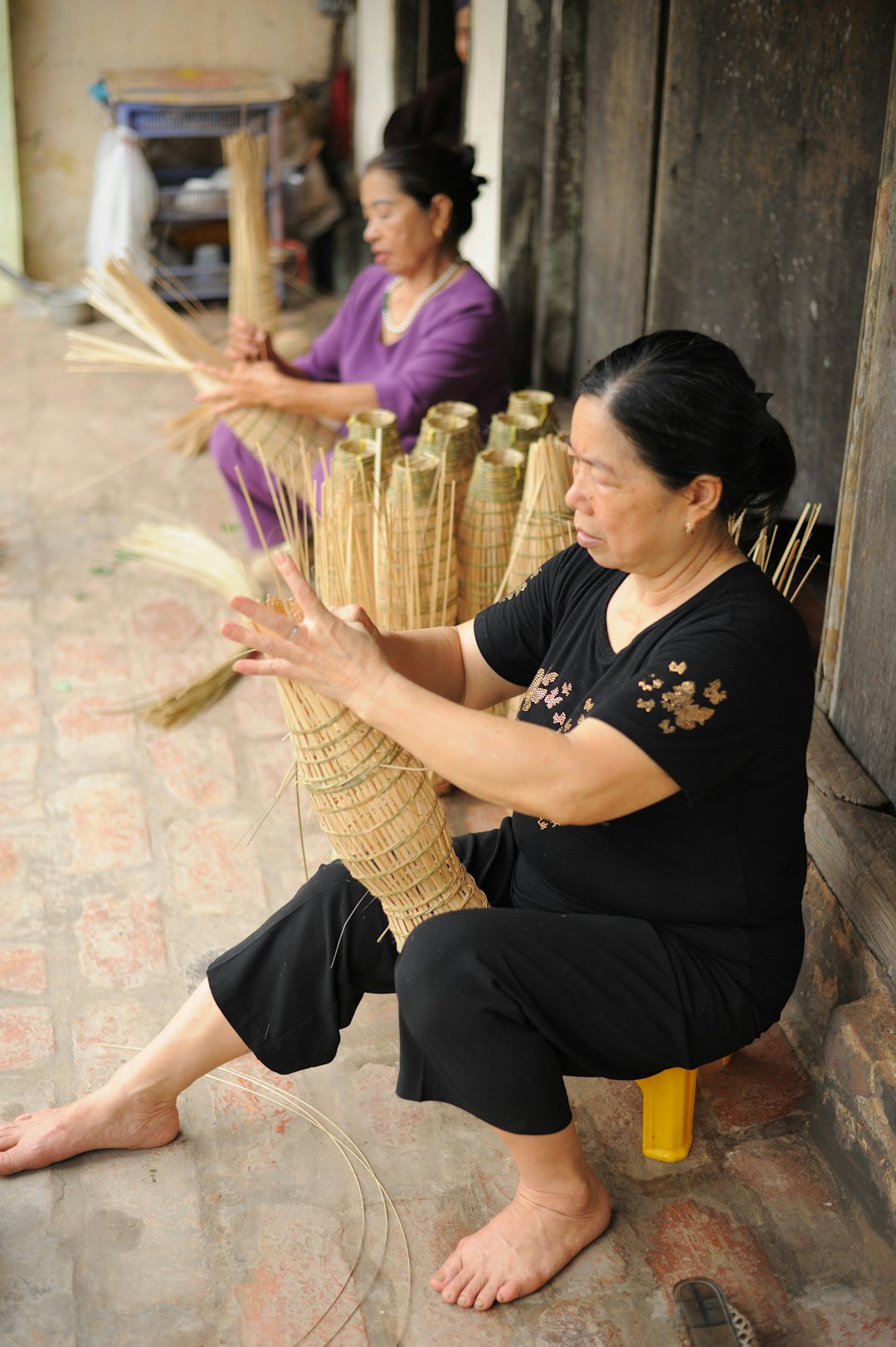
In many regions, community entrepreneurs supported by TAOs have developed “One Tambon One Product” (OTOP) ventures to capitalize on unique local crafts and goods. These products not only represent the ingenuity of rural Thailand but have also become export-worthy commodities found in urban shops and international exhibitions.
Challenges and Adaptability
Despite their strengths, tumbons face several contemporary challenges. The migration of younger generations to urban centers in search of education and employment is leading to depopulation and skill drain in many areas. Additionally, issues such as inadequate infrastructure, limited broadband access, and climate vulnerability persist.
However, many TAOs are showing remarkable adaptability in the face of such adversities. Through partnerships with NGOs, digital platforms, and government programs, they have begun introducing:
- Digital literacy campaigns to empower locals with technological tools.
- Tele-health programs to provide access to medical consultations in remote areas.
- Smart farming initiatives using IoT-based sensors and data-driven agricultural methods.
These advancements demonstrate that while rooted in tradition, tumbons are not averse to progression. They are evolving entities striving to maintain a fine balance between preserving their essence and embracing innovation.
Bridging the Gap: Tradition Meets Modernity
The real success of the tumbon lies in its ability to serve as a bridge — not just between administrative levels but between Thailand’s rich cultural past and its forward-looking aspirations. Whether it’s through promoting traditional music in local schools or using blockchain for budget transparency, tumbons reflect an ideal model where localization is a strength, not a limitation.
Moreover, they offer a template that could be replicated in other nations seeking to decentralize authority while nurturing grassroots leadership and cultural preservation. They are proof that even the smallest units of governance can have outsized influence when structured thoughtfully and supported adequately.
Conclusion
Tumbons may appear modest on the surface, but they are among the most significant engines of societal resilience in Thailand. Anchored in heritage but moving with the times, they contribute to a more inclusive and adaptive form of development. By blending tradition with innovation, governance with cultural stewardship, and local action with national vision, tumbons present an enduring model of sustainable community life.
For policymakers, cultural anthropologists, and civic planners, the Thai tumbon offers not merely a study in administrative design but a living, evolving community fabric that binds the old with the new in seamless harmony.
