Online shopping has transformed the way we purchase goods, offering remarkable convenience, vast choices, and competitive prices on platforms like Amazon, eBay, Walmart, and AliExpress. However, as more consumers embrace e-commerce, the risks of fraud, identity theft, and counterfeit goods have significantly increased. It’s never been more important to shop smartly and safely online, especially when using major marketplaces that host thousands of third-party sellers.
TLDR:
Online shopping is convenient but comes with risks that consumers should understand. To shop safely, only buy from verified sellers, use secure payment methods, and pay attention to reviews and website security. Watch out for prices that seem too good to be true and avoid clicking suspicious links in emails or ads. A few precautionary steps go a long way toward keeping your money and personal information safe.
Understanding the Risks
Despite the trusted names of major marketplaces, the risks don’t disappear. These platforms often host third-party sellers, and not all are legitimate. Fraudsters use reputable websites to gain the trust of unsuspecting shoppers, making it crucial to remain vigilant.
Some of the most common threats include:
- Counterfeit products sold by seemingly reputable third-party sellers
- Phishing scams imitating authentic platforms to steal account credentials
- Fake reviews designed to mislead customers into poor purchasing decisions
- Identity theft through malicious websites or checkout processes

1. Secure Your Device and Connection
Before clicking that ‘Add to Cart’ button, ensure your device and internet connection are safe. A weak or public network is an open door for hackers, especially when transmitting sensitive information like credit card numbers.
Tips for securing your shopping environment:
- Use a secure, private Wi-Fi connection. Avoid using public Wi-Fi when shopping or entering payment details.
- Update your operating system and antivirus software regularly. These updates often patch vulnerabilities that attackers can exploit.
- Use a Virtual Private Network (VPN). A VPN encrypts your data, especially useful when shopping from unfamiliar or international websites.
2. Verify the Website URL and Security Certificate
Always double-check the URL of the website you’re using. Scammers often clone the appearance of legitimate websites with slight changes in the web address. One wrong letter or missing symbol can lead you to a fake page designed to rob you.
Look for these signs of a secure site:
- HTTPS at the beginning of the URL. The ‘S’ stands for ‘Secure.’
- A padlock icon near the address bar, indicating an SSL certificate is present.
- Clean and professional appearance. Poor spelling or formatting is often a red flag.
3. Stick to Trusted Sellers and Brands
Marketplaces like Amazon, eBay, and Walmart feature millions of products, but not all are sold directly by the marketplace. Third-party sellers can range from reputable businesses to complete frauds.
Keep safe by:
- Checking seller ratings and reviews. High ratings and consistent feedback are good signs.
- Choosing “Fulfilled by” or “Shipped by” the platform. These orders offer better protection and return policies.
- Reading return and refund policies. Be suspicious of sellers that don’t accept returns or charge excessively high restocking fees.
4. Read Product Reviews Critically
Online reviews are invaluable but can be manipulated. Some sellers pay for fake positive reviews or flood competitors with unjustified negative ratings. Learning to spot genuine feedback is a vital skill.
Signs a review could be fake:
- Multiple reviews with similar structure and wording
- Overly enthusiastic and vague praise
- Reviews posted within a short time window
Use tools and browser extensions such as Fakespot or ReviewMeta to assess the authenticity of reviews and make decisions based on verified buyer feedback.
5. Use Secure and Traceable Payment Methods
When it’s time to pay, your choice of payment method matters. Using cash-like payment systems or bank transfers is riskier and often nonrefundable. It’s best to use services that offer clear dispute resolution paths.
Recommended payment methods include:
- Credit cards – Offer strong fraud protection and chargeback options if something goes wrong.
- Online payment services like PayPal – Offer buyer protection and hide your credit card information from sellers.
- Marketplace-specific protections – Platforms like Amazon have their own A-to-Z Guarantee for eligible purchases.
6. Beware of “Too Good to Be True” Deals
Bargain hunting is part of the online shopping fun, but if a price seems unbelievable, it probably is. Scammers often lure buyers into purchasing counterfeit or never-to-be-delivered products through dramatic discounts.
Spot red flags in deals:
- Prices far below market average without a clear reason (e.g. clearance, open-box)
- Generic or missing branding on known name-brand products
- Urgent language like “Only 1 left!” creates a false sense of urgency
7. Don’t Fall for Phishing Emails or Ads
Scammers frequently use emails pretending to be order confirmations, delivery notices, or security alerts from platforms like Amazon or eBay. These often include dangerous links that lead to phishing websites or malware downloads.
Here’s how to recognize phishing attempts:
- Incorrect sender email addresses or suspicious domain names
- Poor grammar or formatting inconsistencies
- Unsolicited attachments or links urging immediate action
Never click on a link in an email if you’re unsure. Instead, open a new browser window and navigate directly to the retailer’s official website to verify the information.
8. Enable Alerts and Monitor Your Accounts
Stay on top of your financial safety. Most online marketplaces and banks allow you to set up transaction alerts via SMS or email. These can notify you of unusual activity and help you respond quickly to fraud attempts.
Also, make it a habit to regularly check your credit card and online shopping accounts. If something seems off, report it immediately to the retailer or your bank.
9. Take Advantage of Buyer Protection Policies
Don’t be afraid to use the buyer protection offered by the marketplace. Most legitimate platforms guarantee refunds for items not received, damaged goods, or blatant misrepresentations.
Here are examples of buyer protection policies:
- Amazon’s A-to-Z Guarantee covers third-party purchases that go awry
- eBay Money Back Guarantee ensures you get the item you ordered or your money back
- PayPal Purchase Protection offers reimbursement for qualifying transactions

Final Thoughts
As e-commerce continues to dominate the retail landscape, consumers must learn to navigate major marketplaces with care and informed judgment. From verifying sellers and recognizing scams to using secure payment methods, smart online shopping is a skill set every modern buyer should develop.
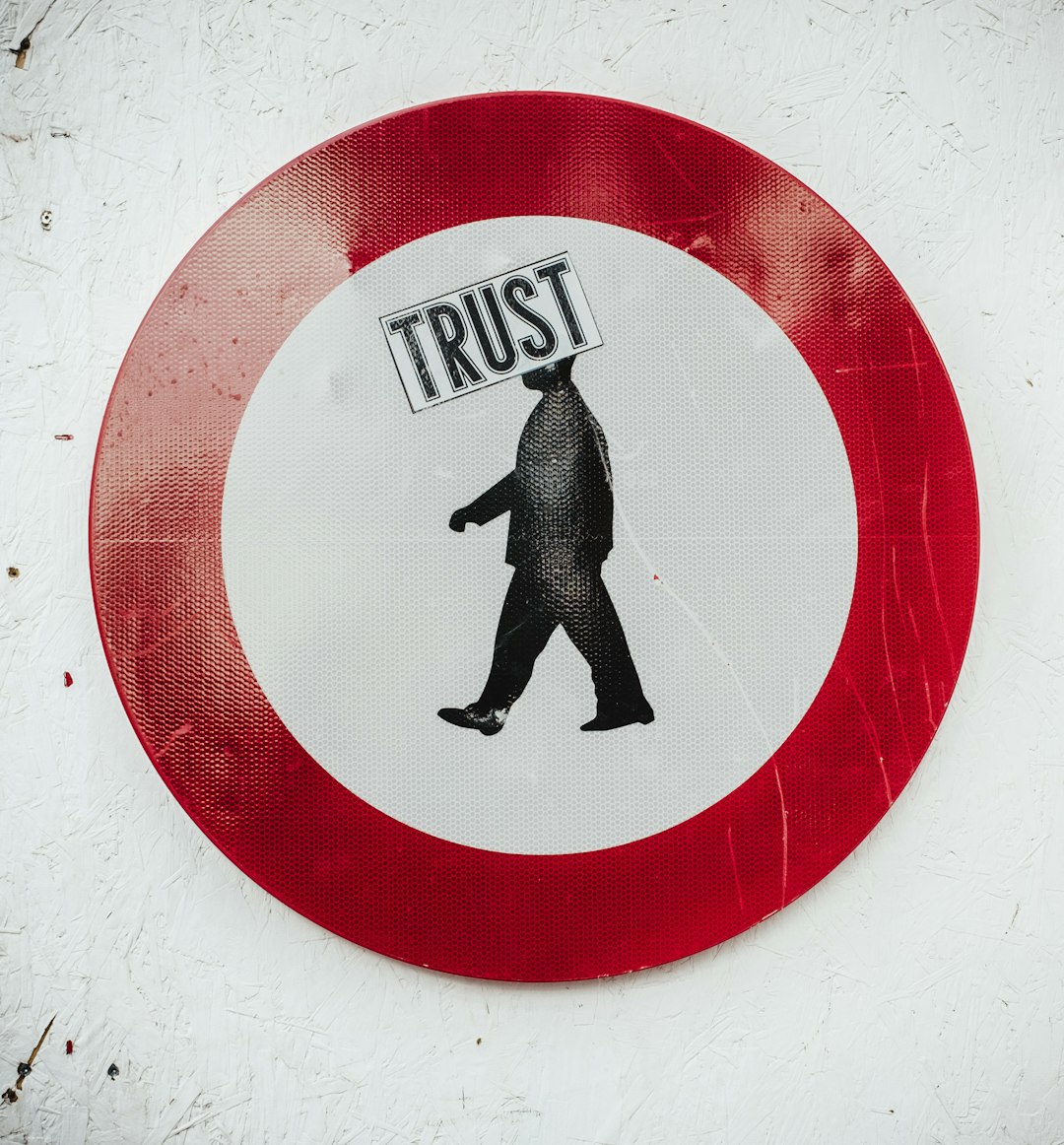
Trust your instincts—if something feels off, don’t proceed. Taking a few minutes to verify the authenticity of a deal or seller could save you from weeks of frustration, the loss of personal information, and lost money.
In a digital world full of convenience and pitfalls, informed shopping is the real deal.
