In recent years, the demand for faster product development and increased customization has propelled rapid molding and prototyping technologies to the forefront of innovation. As companies compete in dynamic markets, the need to shrink the gap between concept and production is more critical than ever. At the confluence of speed, scalability, and precision lies Repmold technology—a rising star set to reshape the future of prototyping and mold-making for the better.
TL;DR: Future Of Rapid Molding And Prototyping
Repmold technology is transforming the landscape of product development. It offers a powerful combination of speed, flexibility, and cost efficiency compared to traditional manufacturing processes. By integrating digital design, advanced materials, and automated mold creation, Repmold significantly trims lead times and supports faster iterations. For innovators, it means quicker time-to-market, greater customization, and smarter scalability.
What is Repmold Technology?
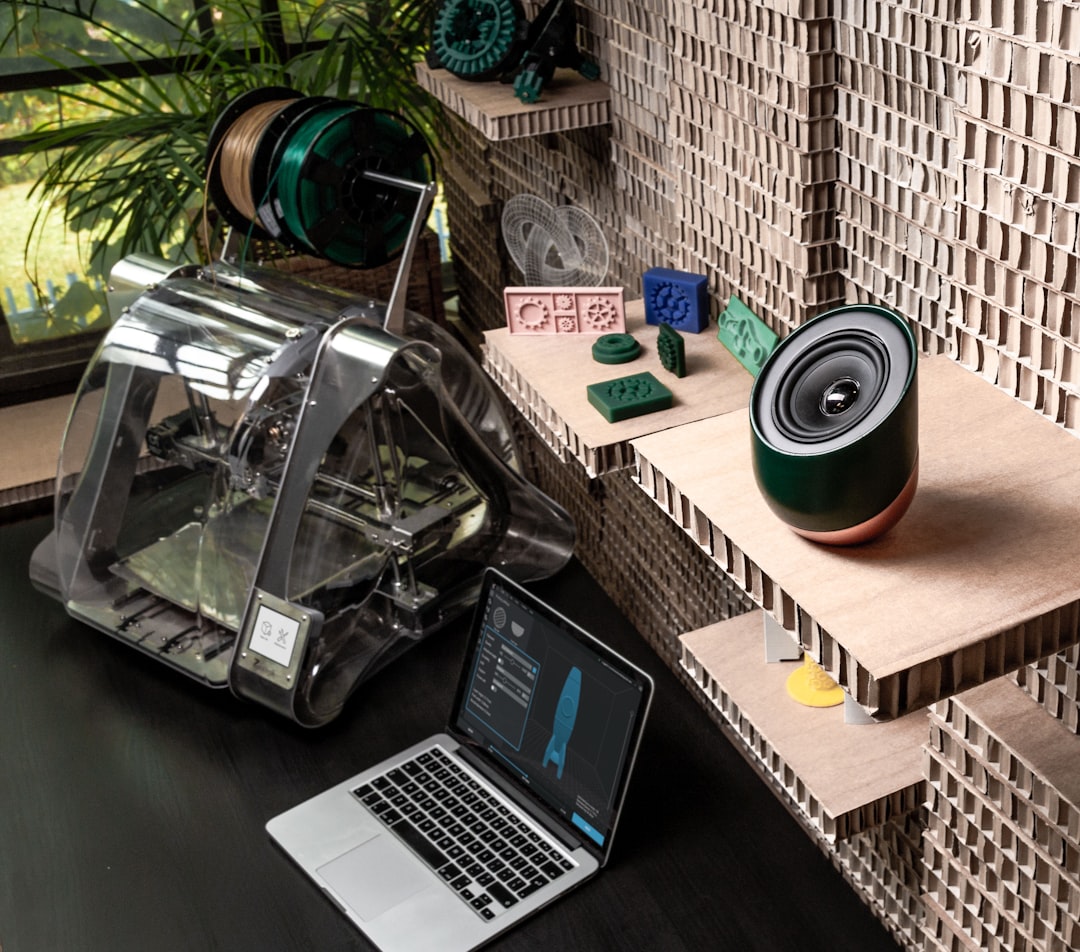
At its core, Repmold is an advanced rapid tooling and molding process that utilizes high-precision CNC machining, 3D printing, and hybrid materials to produce short-run injection molds at record speeds. Rather than waiting several weeks for expensive steel production tooling, engineers and designers can now access durable molds in a matter of days—a revolution in prototyping and low-volume manufacturing.
Key characteristics of Repmold technology include:
- Expedited mold production with turnaround times from 24 to 72 hours
- Cost-effective tooling for short-run or iterative design testing
- Seamless integration with CAD/CAM software for design agility
- Multi-material options in both mold and prototype components
- Scalable processes that transition from prototype to low-volume manufacturing
Why Repmold Matters for Innovators
Traditional injection molding and tooling are notorious for their extended timelines, high upfront costs, and inflexible design processes. For start-ups and agile product teams, these limitations can stall product development and stifle market adaptability. Repmold rewrites that narrative by introducing an accelerated, lower-risk approach to molding that thrives in a modern product lifecycle.
Here’s how Repmold benefits innovators:
1. Accelerated Time-to-Market
Repmold dramatically condenses the development timeline, allowing companies to move from design to functioning prototypes in days instead of weeks. This enables faster market tests, easier iteration, and shorter development sprints—critical for industries such as consumer electronics, healthcare devices, and automotive components.
2. Affordable Experimentation
By sidestepping the financial burden of traditional tooling, Repmold makes it feasible for engineers to test multiple designs or configurations simultaneously. This iterative loop improves product performance and customer-fit while maintaining cost efficiency.
3. Real-World Material Testing
Unlike initial prototypes made with 3D prints that may not replicate end-use performance, Repmold produces parts from actual production-grade polymers. This enables precise functional testing, helping teams detect design flaws or material weaknesses early in the process.
4. Bridge to Mass Manufacturing
Repmold serves as a “bridge manufacturing” solution—ideal for crafting low-volume production runs before transitioning to large-scale manufacturing. This reduces the risk of significant investment before refining the product-market fit.
5. Enhanced Design Freedom
Because Repmold molds are created digitally and quickly, designers gain the flexibility to explore unconventional geometries, material mixes, and part integrations without the penalties typically associated with retooling.
Technological Pillars Behind Repmold
What gives Repmold its competitive advantage is a convergence of technological advancements. Let’s explore the top enablers:
- High-Speed CNC Machining: Delivers precision toolpaths that speed up cavity creation while maintaining tolerances crucial for engineering applications.
- Hybrid Tooling Materials: Combines aluminum, epoxy composites, and other fast-to-machine materials optimized for short-run durability and mold cooling.
- 3D Printed Mold Inserts: Allows designers to produce inserts directly from CAD files, perfect for rapid modification and geometrically complex designs.
- Advanced Simulation Software: Enables engineers to simulate mold flow, material shrinkage, and cooling performance to ensure readiness before fabrication.

Applications and Industries Embracing Repmold
Repmold’s versatility ensures widespread applications across industries eager for agility and early-stage validation. Here are a few sectors where Repmold is already making waves:
- Medical Technology: Creating small runs of specialized components for devices with short development cycles or for custom patient-specific solutions.
- Consumer Electronics: Rapidly prototyping outer casings, connectors, and internal frames with high fidelity to the final product.
- Automotive and Aerospace: Testing fit, form, and function of precision parts under real load and heat scenarios before moving to production tooling.
- Wearables and Smart Devices: Responding quickly to changing user feedback with revised housing and interface components.
Challenges Facing Rapid Molding Technologies
While Repmold is revolutionary, it is not without its limitations. Developers and adopters should be aware of several constraints:
- Tool Life: Repmold tools generally support lower production volumes—usually up to a few hundred or thousand parts—making them unsuitable for mass production.
- Complexity Limitations: Extremely intricate or overmolded designs may still require traditional tooling or multi-part molds.
- Material Limitations: Some high-temperature or high-pressure polymers may not be ideal for Repmold processes without special customization.
Despite these constraints, the trade-offs are minimal compared to the advantages Repmold delivers during the early design phase and bridge production stages.
Future Outlook: Where Is Repmold Headed?
The trajectory of Repmold is marked by ongoing evolution, powered by machine learning, real-time data insights, and smarter automation. Here’s what we can expect in the near future:
1. AI-Driven Design Optimization
With AI applications in CAD and mold flow analysis, Repmold systems will be able to suggest automated design tweaks that reduce risk and optimize cooling, fill, and cycle time—even before a mold is physically made.
2. Integrated Vertical Platforms
We’re moving toward eco-systems where design, prototyping, testing, and small-batch production happen in one facility or platform—supported by cloud-based collaboration and real-time monitoring tools.
3. Sustainable Tooling Innovations
Expect more eco-conscious materials and circular reuse programs for molds and scrap, pushing rapid prototyping toward greener standards.
4. Real-Time Adaptive Tooling
Emerging technologies are enabling tooling enhancements that adapt mid-process—adding sensors and actuators that can monitor pressure, temperature, and adjust configurations for optimal part quality.
Conclusion: Democratizing Innovation Through Repmold
Repmold technology is more than a faster path to a prototype—it’s a catalyst for lean innovation, rapid adaptation, and smarter manufacturing workflows. As digital transformation continues to reshape industries, Repmold positions itself not merely as a tool, but as a dynamic enabler of change. The innovators who embrace it will break cycles of stagnation and achieve greater speed, precision, and confidence in every product they bring to market.
From solopreneurs to enterprise R&D labs, Repmold opens doors to a more agile, scalable, and disruptive approach to product development—and the future has just begun.
