As more devices connect to the internet and demand faster, more reliable connectivity, advances in wireless networking continue to push forward. The introduction of Wi-Fi 6E is a significant leap in wireless technology that promises improved speed, reduced latency, and better performance in crowded environments. But what exactly is Wi-Fi 6E, and how does it differ from its predecessors?
TL;DR: Wi-Fi 6E is an extension of Wi-Fi 6 that adds support for the newly opened 6 GHz frequency band, providing faster speeds, lower latency, and less congestion compared to previous Wi-Fi generations. It is especially helpful in dense areas where device connections compete for bandwidth. While its true benefits are achieved with compatible devices and routers, it offers a glimpse into the high-performance future of wireless connectivity. This article explores how it works, its benefits, and considerations for home users and businesses alike.
What is Wi-Fi 6E?
Wi-Fi 6E stands for Wi-Fi 6 “Extended,” meaning it brings all the features of Wi-Fi 6 (also known as 802.11ax) but adds support for the 6 GHz spectrum in addition to the traditional 2.4 GHz and 5 GHz bands. The 6 GHz frequency band adds up to 1,200 MHz of additional spectrum, which is crucial for expanding bandwidth, reducing congestion, and achieving higher data transfer rates.
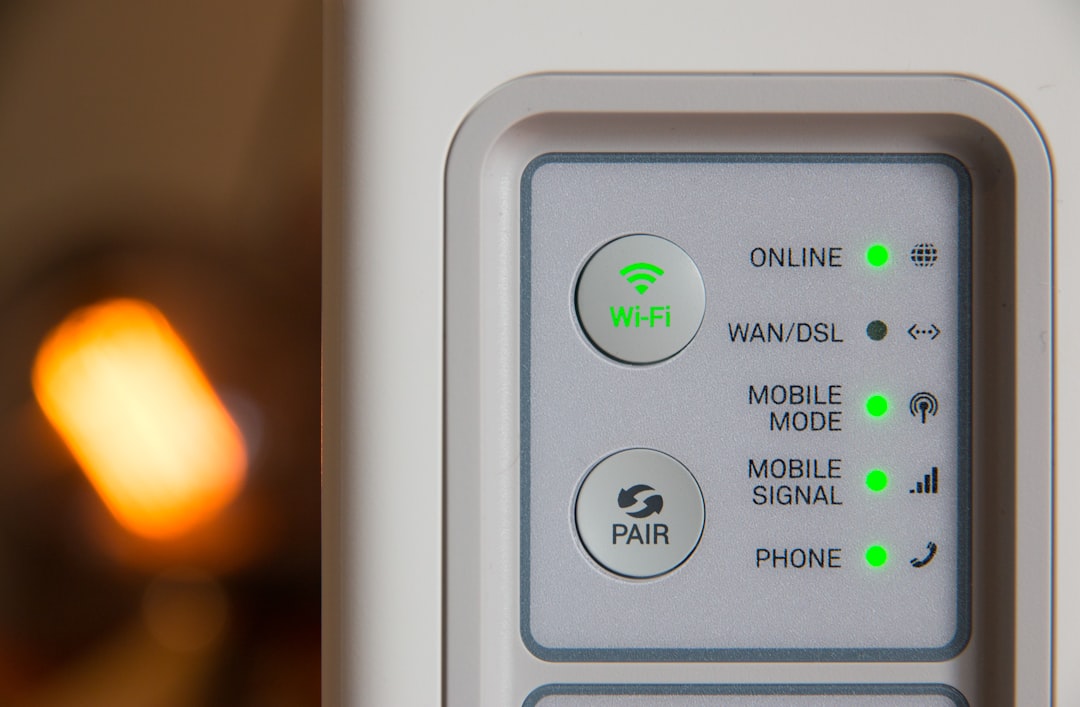
The biggest distinction of Wi-Fi 6E is its access to this 6 GHz band, which is not backwards compatible with previous Wi-Fi versions. That means both the client devices (phones, computers, smart TVs, etc.) and routers need to support Wi-Fi 6E to take full advantage of it.
Speed Improvements
One of the most anticipated features of Wi-Fi 6E is its speed. By utilizing the 6 GHz frequency band, Wi-Fi 6E can deliver faster wireless speeds, potentially exceeding 1 Gbps in real-world scenarios. Here’s why:
- Wider Channels: The 6 GHz band allows for more 160 MHz-wide channels, which means more data can flow at once.
- Less Congestion: The new frequency is mostly empty (for now), providing a free lane for high-speed communication, especially in dense urban or apartment settings.
- Efficiency Upgrades: Wi-Fi 6 architecture brings improved encoding (OFDMA, MU-MIMO, BSS coloring) to Wi-Fi 6E, making data transfers more efficient even with many devices connected.
In practical terms, users can expect:
- Faster downloads and uploads on supported devices
- Smooth 4K and even 8K video streaming
- Lag-free gaming and video conferencing
Enhanced Coverage – But With Limitations
Wi-Fi 6E offers coverage benefits in less congested environments, but it does come with a caveat. Higher frequency signals such as those in the 6 GHz range don’t travel as far as those in 2.4 GHz or 5 GHz and are less effective at penetrating walls and solid objects.
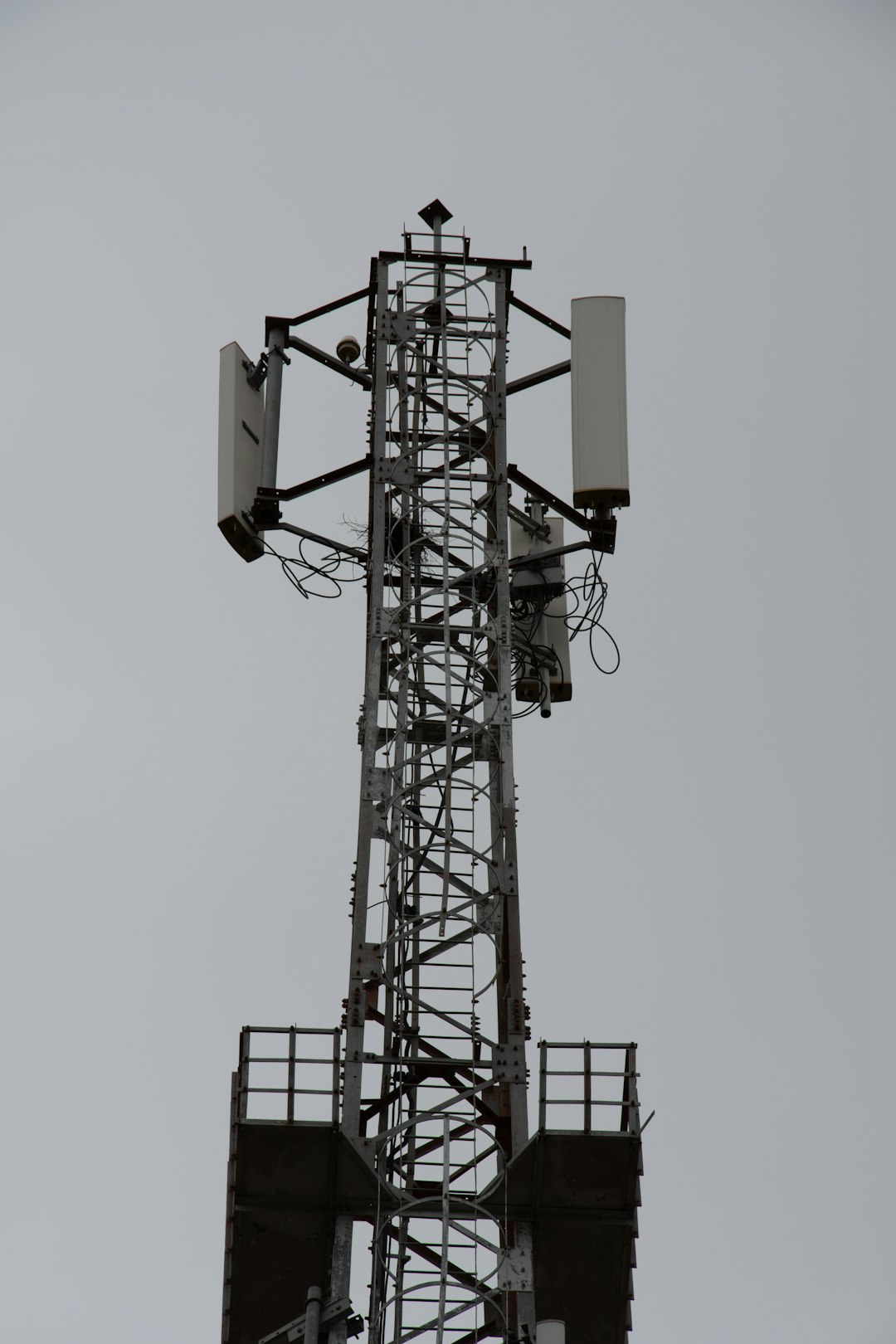
This means the 6 GHz signal might have difficulty reaching distant corners of a large home. However, this is being mitigated through more advanced mesh systems and strategically placed access points that ensure whole-home coverage.
For users in multi-room environments, mesh Wi-Fi systems equipped with Wi-Fi 6E can deliver improved performance without the interruption or slowdowns that often occur in traditional Wi-Fi setups.
Benefits for High Device Density
Wi-Fi 6E is particularly valuable in environments with many simultaneously connected devices. Whether in a smart home full of IoT gadgets or an office buzzing with laptops and smartphones, its ability to handle more concurrent connections means less interference and faster, more stable performance for all users.
This is due to several underlying technologies introduced with Wi-Fi 6 and carried over into Wi-Fi 6E:
- OFDMA (Orthogonal Frequency-Division Multiple Access): Allows multiple devices to share channels efficiently.
- MU-MIMO (Multi-User, Multiple Input, Multiple Output): Improves uplink and downlink performance with multiple users.
- BSS Coloring: Reduces interference from neighboring networks by giving each network a color tag.
Real-World Use Cases
Whether you’re a gamer, a remote worker, or just someone who enjoys streaming high-definition content, Wi-Fi 6E offers clear advantages:
- Gamers: Experience lower latency and less packet loss, essential for competitive games.
- Remote Work: Crystal-clear Zoom meetings and quick file transfers become more consistent.
- Smart Homes: Handle dozens of connected devices without slowing down performance.
These benefits become even more pronounced in apartment or condo buildings where multiple networks often compete over limited bandwidth.
Compatibility and Costs
To make use of Wi-Fi 6E, users need both a compatible router and supported devices. While newer smartphones, laptops, and tablets are beginning to include Wi-Fi 6E support, many existing devices will only work on the 2.4 GHz or 5 GHz bands.
Additionally, Wi-Fi 6E routers are generally more expensive than Wi-Fi 5 or standard Wi-Fi 6 models. However, costs are expected to drop as adoption increases and manufacturing scales up.
Looking Ahead
Wi-Fi 6E is setting the stage for future generations of Wi-Fi, including Wi-Fi 7, which aims to take full advantage of the 6 GHz spectrum and introduce new ways to manage connections. With more bandwidth and lower latency, the path is being paved for innovations in virtual reality, artificial intelligence, and cloud computing to truly flourish in wireless environments.
Conclusion
Wi-Fi 6E represents a meaningful improvement in wireless technology. With faster speeds, less congestion, and the ability to handle more devices simultaneously, it’s a worthy upgrade—especially for tech-savvy homes and workplaces filled with connected devices. While its benefits are best realized with full compatibility and strategic device placement, Wi-Fi 6E opens doors to a more seamless and future-proof wireless experience.
FAQ: Understanding Wi-Fi 6E
- Q: What is the difference between Wi-Fi 6 and Wi-Fi 6E?
A: Wi-Fi 6E adds support for the 6 GHz frequency band, offering faster speeds and less congestion compared to Wi-Fi 6 which operates only on 2.4 GHz and 5 GHz. - Q: Do I need new devices for Wi-Fi 6E?
A: Yes, both your router and client devices need to support Wi-Fi 6E to take full advantage of its capabilities. - Q: Does Wi-Fi 6E have better range?
A: Not necessarily. The 6 GHz signal has a shorter range and is worse at penetrating walls than 2.4 GHz or 5 GHz. Mesh systems are often needed for full coverage. - Q: Is Wi-Fi 6E worth it for gaming or streaming?
A: Yes, it offers lower latency and more bandwidth, which can enhance experiences in high-speed gaming and 4K/8K streaming environments. - Q: How much does a Wi-Fi 6E router cost?
A: As of now, Wi-Fi 6E routers start around $200 and can go significantly higher depending on features and brand. Prices are expected to decrease over time.
