The modern workspace has evolved far beyond cubicles and conference rooms. Today, it lives in cloud-based platforms, collaborative dashboards, video calls, and increasingly, alongside intelligent digital assistants. As artificial intelligence continues to mature, AI companions are becoming essential productivity partners—helping professionals manage tasks, sharpen focus, reduce cognitive overload, and unlock deeper creative potential. Rather than replacing human workers, these tools are augmenting their capabilities and reshaping how work gets done.
TLDR: AI companions are transforming the way we work by automating routine tasks, improving focus, and offering real-time insights. They reduce mental clutter by organizing information, prioritizing tasks, and providing intelligent recommendations. From smart scheduling to content generation and workflow optimization, these tools act as productivity partners. When used thoughtfully, AI companions help professionals work smarter—not longer.
In a world where distractions are constant and attention is fragmented, AI companions serve as digital co-pilots. They streamline repetitive processes, anticipate needs, and allow workers to devote more energy to strategic and creative tasks. Let’s explore how these intelligent systems are redefining productivity and focus across industries.
The Shift from Tools to Teammates
Traditional software operates on commands. AI companions, however, operate on context. They observe patterns, learn preferences, and adapt to user behavior. This subtle but powerful difference transforms them from reactive tools into proactive partners.
For example, instead of simply storing calendar events, an AI assistant can:
- Suggest optimal meeting times based on past behavior
- Block focus hours when deep work is needed
- Detect scheduling conflicts before they arise
- Prepare meeting summaries automatically
This shift reduces what psychologists call cognitive load—the mental effort required to manage tasks. By offloading micro-decisions to AI, workers preserve mental energy for high-value thinking.
How AI Enhances Focus in Distracted Environments
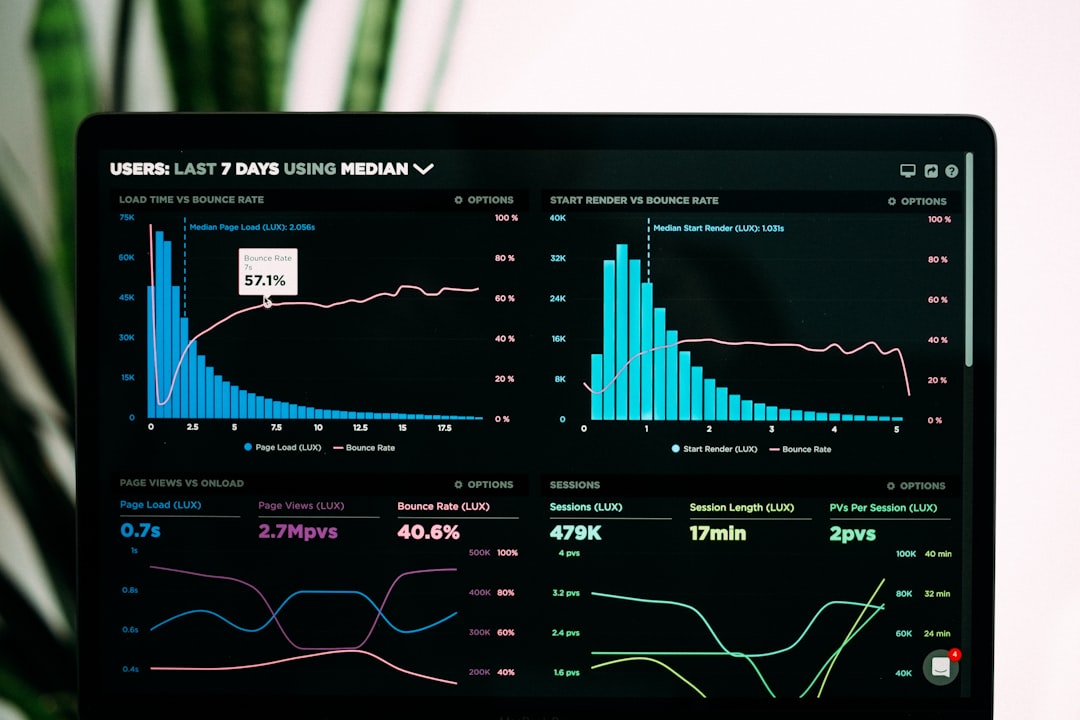
Multitasking has long been considered a badge of honor in professional culture. However, research shows that task-switching decreases efficiency and increases errors. AI companions counteract this by encouraging structured productivity.
Key focus-enhancing benefits include:
- Smart prioritization: AI identifies critical tasks and ranks them dynamically.
- Distraction management: Tools can filter notifications and suggest focus intervals.
- Automated summaries: Instead of reading lengthy documents, users receive concise breakdowns.
- Context retention: AI keeps track of ongoing projects and retrieves relevant information instantly.
By organizing information in meaningful ways, AI acts like a personalized executive assistant—one that works 24/7 without fatigue.
Automation of Repetitive Work
A significant portion of workdays is consumed by repetitive tasks: responding to emails, formatting reports, compiling data, scheduling meetings, and drafting routine documents. AI companions dramatically reduce time spent on such activities.
Examples of automation include:
- Generating email responses based on tone and context
- Summarizing meeting transcripts into action points
- Creating data visualizations from raw spreadsheets
- Drafting first versions of reports or proposals
- Transcribing and organizing voice notes
This automation doesn’t eliminate oversight—it enhances it. Employees remain in control, reviewing and refining outputs while skipping the most time-consuming initial steps.
Personalized Workflow Optimization
One of the most powerful aspects of AI companions is personalization. Unlike static productivity systems, AI adapts to individual habits. Over time, it learns:
- When you are most productive
- How long tasks typically take
- Which projects demand deeper focus
- What communication style you prefer
Using this data, AI can recommend workflow improvements such as batching similar tasks, scheduling creative work during peak performance hours, or flagging potential burnout patterns.

AI Collaboration Tools Compared
Many AI companions serve different workplace needs. Below is a simplified comparison of common categories of AI productivity tools:
| Tool Type | Primary Function | Best For | Productivity Impact |
|---|---|---|---|
| Writing Assistants | Generate, edit, summarize text | Content creators, marketers, executives | Speeds up drafting and reduces writing fatigue |
| Scheduling Assistants | Manage calendars and meetings | Managers, consultants, sales teams | Minimizes back-and-forth coordination |
| Project Management AI | Track tasks, predict delays | Teams and remote organizations | Improves visibility and reduces workflow bottlenecks |
| Research Assistants | Aggregate and summarize data | Analysts, academics, strategists | Saves hours of manual investigation |
| Focus Applications | Block distractions, optimize sessions | Remote workers, students | Enhances deep work consistency |
This ecosystem demonstrates that AI companions are not one-size-fits-all solutions; they are specialized partners designed to amplify specific types of work.
Creative Amplification, Not Replacement
A common concern surrounding AI is replacement. However, in modern workspaces, AI companions more often function as amplifiers of human creativity rather than substitutes.
For writers, AI can produce outlines that spark ideas. For designers, it can generate inspiration drafts. For strategists, it can identify trends hidden within large datasets. The final output still depends on human interpretation, emotional intelligence, and strategic judgment.
This human-AI partnership creates a feedback loop:
- The human defines goals.
- The AI generates options or insights.
- The human refines and adds nuance.
- The AI assists in final execution.
The result is accelerated output without sacrificing originality.
Reducing Burnout Through Intelligent Support
Workplace burnout has become a defining challenge of the digital era. Paradoxically, the very technologies that enable remote flexibility often blur boundaries between work and personal life. AI companions can help restore balance.
They do so by:
- Encouraging structured work blocks
- Detecting overload in calendars
- Suggesting delegation opportunities
- Automating after-hours communications
- Providing workload visibility across teams
When workload transparency increases, stress decreases. Clear task prioritization prevents professionals from feeling perpetually “behind.”
Data-Driven Decision Making in Real Time
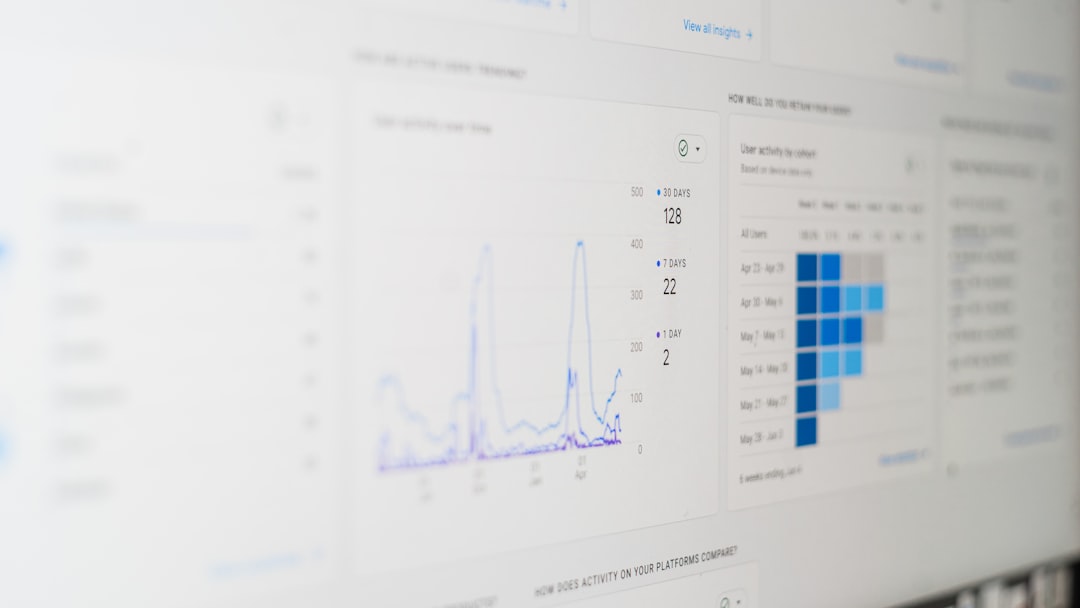
AI companions excel at synthesizing complex datasets quickly. In fast-moving environments, this translates to faster and more confident decisions.
Instead of manually analyzing spreadsheets for hours, professionals can ask AI systems to:
- Identify performance anomalies
- Highlight revenue trends
- Forecast potential risks
- Simulate outcome scenarios
This instant insight shifts workplace culture from reactive to proactive. Decisions are informed not just by instinct, but by intelligent analysis delivered in seconds.
The Human Skills That Matter More Than Ever
As AI companions handle administrative and analytical burdens, distinctly human attributes gain value:
- Critical thinking
- Ethical judgment
- Creativity
- Empathy
- Leadership
Rather than diminishing human contribution, AI elevates it. Freed from repetitive strain, workers can focus on vision-setting, relationship-building, and innovation.
Best Practices for Integrating AI Companions
To maximize benefits, organizations should adopt AI thoughtfully. Implementation is not just about installing new software—it requires cultural adaptation.
Recommended steps include:
- Providing training on effective AI collaboration
- Establishing ethical guidelines for usage
- Encouraging transparency in AI-assisted outputs
- Monitoring productivity metrics before and after integration
- Maintaining strong human oversight
When deployed strategically, AI becomes a competitive advantage rather than a disruptive force.
The Future of the AI-Enhanced Workplace
Looking ahead, AI companions will likely become even more integrated into daily workflows. Future systems may anticipate needs before users articulate them, integrate emotional awareness signals, and coordinate across entire organizations in real time.
The modern workspace is no longer defined by physical walls. It is defined by intelligent collaboration—a network of humans and machines working symbiotically. As this partnership deepens, productivity will increasingly hinge not on working harder, but on leveraging AI companions effectively.
Ultimately, AI companions are not about replacing human expertise. They are about elevating it. By reducing friction, enhancing focus, automating repetition, and revealing insights, these systems empower professionals to operate at their highest capacity. In a world where attention is scarce and time is precious, that advantage may define the workplaces that thrive.
