Augmented Reality (AR) has moved far beyond gaming and novelty filters. Today, it is a powerful communication and engagement tool used by brands, retailers, and educational institutions to create immersive digital experiences layered onto the physical world. Companies no longer need massive development budgets to implement AR; instead, modern AR content publishing platforms make it possible to design, deploy, and manage interactive experiences at scale.
TLDR: AR content publishing platforms allow businesses and educators to create immersive experiences without complex coding. Platforms like 8th Wall, ZapWorks, Blippar, and UniteAR provide tools for marketing campaigns, virtual product visualization, and interactive learning. Each platform offers unique strengths, from web-based AR to enterprise-grade analytics. Choosing the right solution depends on budget, technical requirements, and audience engagement goals.
As AR adoption grows, organizations require platforms that simplify content publishing while delivering measurable results. Below are four leading AR content publishing platforms transforming marketing, retail, and education.
1. 8th Wall
8th Wall is widely recognized for pioneering WebAR, enabling augmented reality experiences directly within mobile browsers without requiring users to download an app. This dramatically lowers the barrier to entry for marketing and educational initiatives.

Key Features
- Browser-based AR (no app required)
- World tracking and image tracking
- Cloud hosting and publishing tools
- Cross-platform compatibility (iOS and Android)
- Integration with popular web development frameworks
Marketing Applications
Brands use 8th Wall to launch interactive product campaigns, virtual try-ons, and immersive storytelling experiences. Because the AR runs in a browser, marketing teams can distribute campaigns through QR codes, social media, and email without friction.
Retail Applications
Retailers deploy WebAR product previews that allow customers to visualize furniture, fashion accessories, or electronics in their own spaces before purchasing. This reduces return rates and increases buyer confidence.
Education Applications
Educational institutions leverage 8th Wall for interactive science simulations, historical recreations, and campus tours. Students can access experiences instantly via classroom links or printed materials.
Best For: Organizations seeking scalable, no-download AR campaigns with wide accessibility.
2. ZapWorks
ZapWorks, developed by Zappar, is a comprehensive AR creation and publishing suite. It provides tools catering to both non-technical creators and advanced developers, making it highly versatile.
Key Features
- Drag-and-drop AR builder (ZapWorks Designer)
- Advanced development environment (ZapWorks Studio)
- Image tracking and face tracking
- Analytics dashboard
- Multi-channel publishing options
Marketing Applications
ZapWorks is especially popular in packaging campaigns. Customers can scan product packaging to unlock interactive promotions, games, or storytelling experiences. The platform also supports gamified brand engagements that boost dwell time and social sharing.
Retail Applications
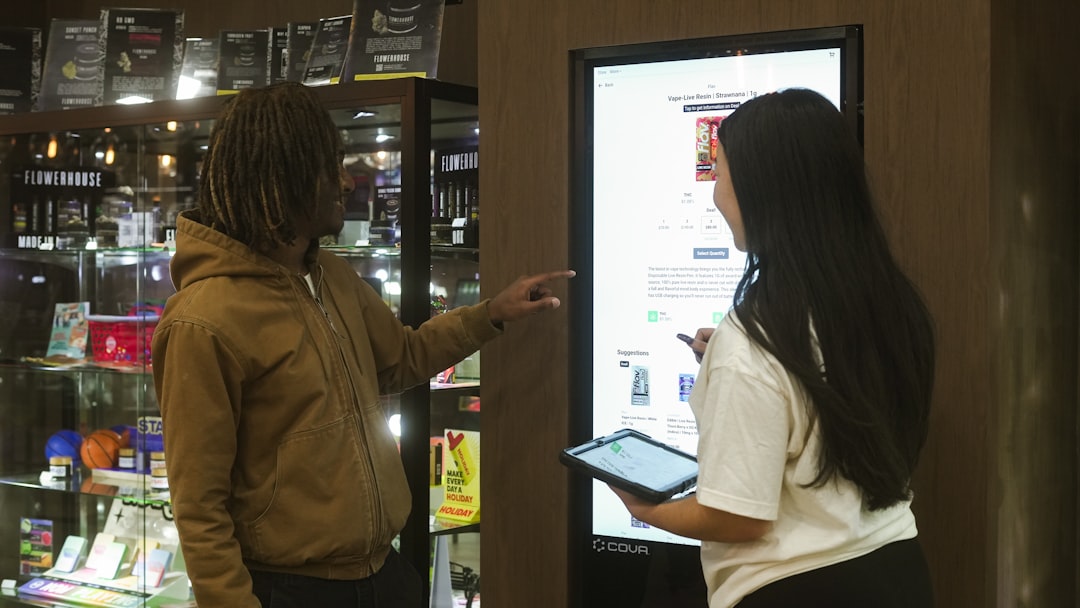
Retailers integrate AR experiences into in-store displays or print catalogs. A magazine ad, for example, can transform into a dynamic 3D experience when scanned, providing deeper product information.
Education Applications
ZapWorks supports interactive textbooks where diagrams transform into animated 3D models. Teachers can also create AR quizzes and collaborative classroom activities.
Best For: Brands and educators who need flexible creation tools with robust analytics.
3. Blippar
Blippar is an enterprise-grade AR publishing platform focused on scalability and data-driven insights. It supports WebAR experiences while offering advanced analytics tools for performance measurement.
Key Features
- WebAR creation platform (Blippbuilder)
- Cloud-based publishing
- Advanced analytics dashboard
- Image and object recognition
- Enterprise integration support
Marketing Applications
Blippar excels in global advertising campaigns where performance tracking is critical. Marketing teams can monitor user interactions, session duration, and geographic engagement metrics in real time.
Retail Applications
Retail brands employ Blippar for interactive store displays, product visualizations, and personalized AR ads that enhance omnichannel strategies.
Education Applications
Blippar helps institutions create immersive learning modules, such as anatomy models, architectural walkthroughs, or interactive museum exhibits.
Best For: Enterprises seeking large-scale AR campaigns with advanced reporting capabilities.
4. UniteAR
UniteAR is designed with accessibility in mind, offering simple no-code AR content creation for businesses and educators. It enables quick deployment without requiring extensive development expertise.
Key Features
- No-code AR builder
- Image and object tracking
- Cloud publishing
- Multi-device support
- White-label capabilities
Marketing Applications
Small and medium-sized businesses use UniteAR for interactive brochures, business cards, and event promotions. The user-friendly interface makes campaign creation fast and cost-effective.
Retail Applications
Retailers deploy AR-enhanced posters, window displays, and location-based campaigns that guide customers through in-store journeys.
Education Applications
Teachers can quickly build AR flashcards, interactive posters, and virtual lab demonstrations without coding skills. This helps integrate immersive learning even in resource-constrained environments.
Best For: SMEs and educators seeking cost-effective, easy-to-use AR solutions.
Comparison Chart
| Platform | Best For | App Required? | Analytics | Skill Level | Ideal Industries |
|---|---|---|---|---|---|
| 8th Wall | Web-based AR campaigns | No | Moderate | Intermediate to Advanced | Marketing, Retail, Education |
| ZapWorks | Flexible AR creation | Optional | Strong | Beginner to Advanced | Marketing, Retail, Education |
| Blippar | Enterprise AR campaigns | No | Advanced | Intermediate | Enterprise Marketing, Retail, Museums |
| UniteAR | No-code AR publishing | Optional | Basic to Moderate | Beginner | SMEs, Schools, Events |
How to Choose the Right AR Content Publishing Platform
When selecting an AR publishing platform, organizations should consider:
- Audience Accessibility: WebAR solutions reduce user friction.
- Technical Expertise: No-code tools are ideal for non-developers.
- Analytics Needs: Enterprise campaigns demand advanced reporting.
- Budget: Pricing varies widely between entry-level and enterprise solutions.
- Integration Requirements: Larger organizations may need CRM or e-commerce integrations.
The right platform aligns technical capabilities with strategic objectives. For marketing teams, low-friction engagement may be the priority. Retailers focus on conversion and visualization tools, while educators prioritize accessibility and instructional value.
Future Trends in AR Publishing
The evolution of AR content publishing platforms continues to accelerate. Emerging trends include:
- AI-enhanced AR experiences for personalization
- 5G-powered real-time collaboration
- Spatial computing integration with wearable devices
- Improved analytics dashboards with predictive insights
As hardware improves and AR glasses become more mainstream, publishing platforms will likely expand beyond smartphones into fully immersive, hands-free environments.
FAQ
1. What is an AR content publishing platform?
An AR content publishing platform is a software solution that allows users to create, manage, and distribute augmented reality experiences across devices.
2. Do users need to download an app to access AR content?
Not always. WebAR platforms like 8th Wall and Blippar allow users to access AR experiences directly through mobile browsers.
3. Which platform is best for small businesses?
UniteAR is often ideal for small businesses due to its no-code interface and cost-effective pricing.
4. How is AR used in retail?
Retailers use AR for virtual try-ons, product visualization, interactive displays, and enhanced packaging experiences that improve customer engagement.
5. Can AR improve educational outcomes?
Yes. AR enhances learning by making abstract concepts interactive and visually engaging, which can improve retention and student participation.
6. What factors matter most when selecting a platform?
Accessibility, analytics capabilities, budget, required technical expertise, and scalability are the most critical considerations.
AR content publishing platforms are reshaping how organizations communicate and educate. By choosing the right platform, businesses and institutions can create immersive experiences that captivate audiences and drive measurable impact.
