Freelancers and online businesses love getting paid. Fast. Safe. Without drama. For years, PayPal has been the default choice. But it is not the only game in town. Fees can be high. Accounts can get frozen. Support can be slow. That is why many people are looking for better options.
TLDR: PayPal is popular, but it is not always the best option for freelancers and online businesses. There are platforms with lower fees, better international payments, and smoother integrations. Wise is great for global transfers, Stripe is powerful for online stores, Payoneer works well for international freelancers, and Square is perfect for small businesses. The right choice depends on how and where you get paid.
Let’s break down four strong PayPal alternatives that are simple, reliable, and built for modern online work.
1. Wise (Formerly TransferWise)
If you work with clients from different countries, Wise is a superstar.
Wise is known for low fees and real exchange rates. That means no hidden markups. What you see is what you get.
Image not found in postmetaWhy freelancers love Wise
- Real mid-market exchange rates
- Low and transparent fees
- Local bank details in multiple countries
- Fast international transfers
- Easy-to-use mobile app
With Wise, you can get bank details in the US, UK, EU, Australia, and more. This makes you look local, even if you are working from a beach in Thailand.
Clients can pay you like you have a local bank account. That is powerful.
Fees
Wise charges a small percentage for currency conversion. Usually much cheaper than PayPal. There is no monthly fee for a personal account.
Best for
Freelancers who work internationally. Writers. Designers. Developers. Consultants. If you get paid in different currencies, Wise is a smart move.
Watch out for
Wise is not built as a full payment gateway for online stores. It is better for transfers than for shopping carts.
2. Stripe
If Wise is great for freelancers, Stripe is a beast for online businesses.
Stripe powers many of the biggest online stores and SaaS platforms. It is built for the internet.

Why online businesses love Stripe
- Easy integration with websites
- Works with Shopify, WooCommerce, and more
- Accepts cards, Apple Pay, Google Pay
- Advanced customization options
- Strong security features
Stripe is developer-friendly. But do not worry. Many platforms make it easy to connect without coding.
Fees
Stripe usually charges a fixed percentage plus a small flat fee per transaction. This is similar to PayPal. But many users find it more stable and easier to scale.
Best for
Online stores. Subscription businesses. SaaS founders.
If you sell digital products or run a membership site, Stripe is often a better long-term solution than PayPal.
Watch out for
Stripe can be complex if you want advanced features. It is powerful. But power sometimes means more setup.
3. Payoneer
Payoneer is very popular in the freelance world. Especially on global marketplaces.
If you work on platforms like Upwork, Fiverr, or Amazon, you have probably seen Payoneer as a payout option.
Why freelancers choose Payoneer
- Great for marketplace payouts
- Supports multiple currencies
- Offers prepaid Mastercard in some regions
- Works in many countries
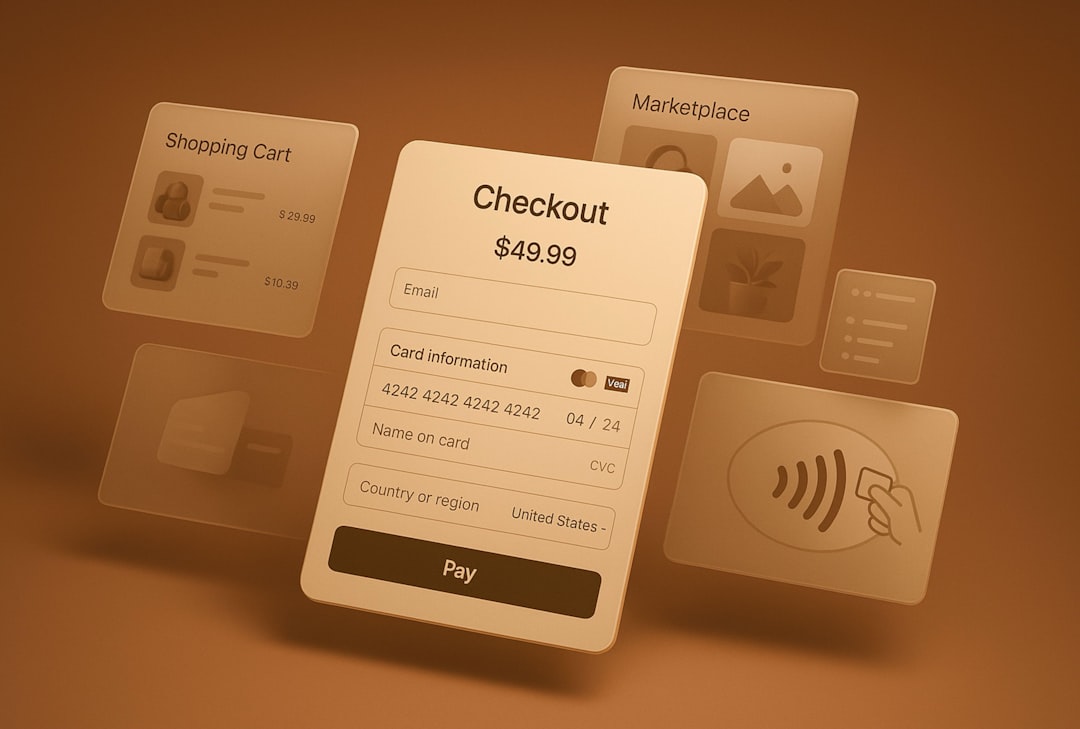
Payoneer focuses heavily on cross-border payments. It was built with international business in mind.
Fees
Fees depend on how you receive and withdraw money. Receiving payments from other Payoneer users can be free. Currency conversion and bank withdrawals may include charges.
Compared to PayPal, international fees are often more competitive.
Best for
Freelancers using global platforms. Also great for sellers on Amazon and other e-commerce marketplaces.
Watch out for
Customer support reviews are mixed. Some users report delays. As with any platform, read the fine print.
4. Square (Now Block)
Square started with small card readers. Now it is a full business ecosystem.
If you run a small business, both online and offline, Square is worth a look.
Why business owners like Square
- Simple point-of-sale system
- Online store options
- Clear pricing
- Fast deposits
- Inventory management tools
Square is perfect if you sell in person and online. For example, if you have a café and also sell merch on your website.
Fees
Square has flat transaction fees. No monthly fee for basic plans. Paid plans are available for more advanced features.
Best for
Small businesses. Local shops. Creators selling products.
Watch out for
Square is more focused on certain countries, like the US, Canada, and a few others. It may not be available everywhere.
Quick Comparison Chart
| Platform | Best For | International Payments | Online Store Integration | Ease of Use |
|---|---|---|---|---|
| Wise | Freelancers with global clients | Excellent | Limited | Very Easy |
| Stripe | Online businesses and SaaS | Strong | Excellent | Moderate |
| Payoneer | Marketplace freelancers | Very Good | Limited | Easy |
| Square | Small online and offline businesses | Moderate | Good | Very Easy |
How to Choose the Right One
Do not just copy what others use. Think about your business.
Ask yourself:
- Where are my clients located?
- Do I need to accept credit cards?
- Do I run an online store?
- How important are low currency conversion fees?
- Do I need fast access to cash?
If you are a solo freelancer with overseas clients, Wise might save you the most money.
If you run a growing online store, Stripe could be your best friend.
If you live on freelance marketplaces, Payoneer may fit perfectly.
If you sell in person and online, Square keeps everything in one place.
Can You Use More Than One?
Yes. And many people do.
You can use Wise for international transfers. Stripe for your website. And Payoneer for marketplace payouts.
There is no rule that says you must pick only one.
In fact, smart business owners diversify. This reduces risk. If one platform has issues, you still have backups.
Final Thoughts
PayPal is familiar. It is trusted. But it is not perfect.
Today, freelancers and online businesses have more choices than ever. That is good news.
Lower fees. Better exchange rates. Faster payments. Cleaner integrations.
The best platform depends on your goals.
Keep it simple. Compare fees. Test the platform. Start small if needed.
Getting paid should feel good. Not stressful.
Choose the tool that works for you. Then focus on what really matters.
Your work. Your clients. Your growth.
