Building internal tools and admin panels has become a strategic priority for modern organizations seeking efficiency, automation, and centralized control. While Budibase is a popular open-source option in this space, many teams explore alternatives that better align with their technical stack, compliance needs, scalability goals, or development workflows. The internal tooling landscape has matured significantly, offering platforms that support everything from rapid low-code builds to highly customizable enterprise systems.
TLDR: Teams exploring alternatives to Budibase often prioritize scalability, enterprise security, deeper customization, or stronger integration ecosystems. Platforms like Retool, Appsmith, Microsoft Power Apps, OutSystems, and Internal.io offer varied strengths across ease of use, flexibility, and governance. The best choice depends on your organization’s technical expertise, integration requirements, and long-term growth strategy. Evaluating deployment options, cost structure, and extensibility is essential before committing.
Why Teams Look Beyond Budibase
Budibase offers compelling features: open-source flexibility, database connectivity, automation workflows, and a clean interface builder. However, some organizations encounter limitations that prompt evaluation of alternatives:
- Enterprise governance requirements such as strict compliance and role-based access control
- Advanced customization needs requiring more developer control
- Complex integration ecosystems spanning legacy systems and cloud infrastructure
- Scalability concerns for large datasets or high user volumes
- Professional support and SLA expectations at the enterprise level
Below are five serious alternatives teams frequently assess when building internal tools and admin panels.
1. Retool
Retool has emerged as one of the most recognized platforms for building internal tools quickly while maintaining development flexibility. It is widely adopted by startups and enterprises alike.
Key Strengths:
- Extensive integration library (databases, APIs, SaaS platforms)
- Drag-and-drop UI components combined with custom JavaScript
- Strong permissioning and environment management
- Cloud and self-hosted deployment options
Unlike some low-code platforms that limit extensibility, Retool allows engineers to write custom queries, scripts, and logic directly within the interface. This hybrid approach makes it attractive to technical teams who want speed without sacrificing control.
Image not found in postmetaBest for: Engineering-driven organizations seeking rapid internal tool development with strong customization capabilities.
Potential considerations: Costs can scale quickly with user count, and while highly flexible, it may still require developer involvement for complex workflows.
2. Appsmith
Appsmith is an open-source alternative frequently compared to Budibase. It emphasizes transparency, extensibility, and self-hosting flexibility.
Key Strengths:
- Fully open-source core
- Strong Git-based version control
- Wide integration support
- Custom widget and plugin capabilities
For teams that prioritize infrastructure ownership and wish to avoid vendor lock-in, Appsmith presents a compelling proposition. Its interface is developer-friendly and integrates well with modern DevOps pipelines.
Appsmith’s community-driven ecosystem is particularly attractive to organizations with in-house engineering teams capable of maintaining self-hosted systems.
Best for: Teams with strong DevOps resources seeking open-source flexibility and long-term control.
Potential considerations: User experience may feel more developer-centric than non-technical stakeholders prefer.
3. Microsoft Power Apps
Microsoft Power Apps approaches internal tool development from an enterprise productivity perspective. Deeply integrated with the Microsoft ecosystem, it offers a low-code platform for business application development.
Key Strengths:
- Native integration with Microsoft 365, Azure, and Dynamics
- Robust enterprise security and compliance features
- Strong governance tools
- Citizen developer enablement
Organizations already invested in Microsoft infrastructure often find Power Apps financially and operationally efficient. It allows business users to build administrative workflows while IT maintains control through centralized governance.
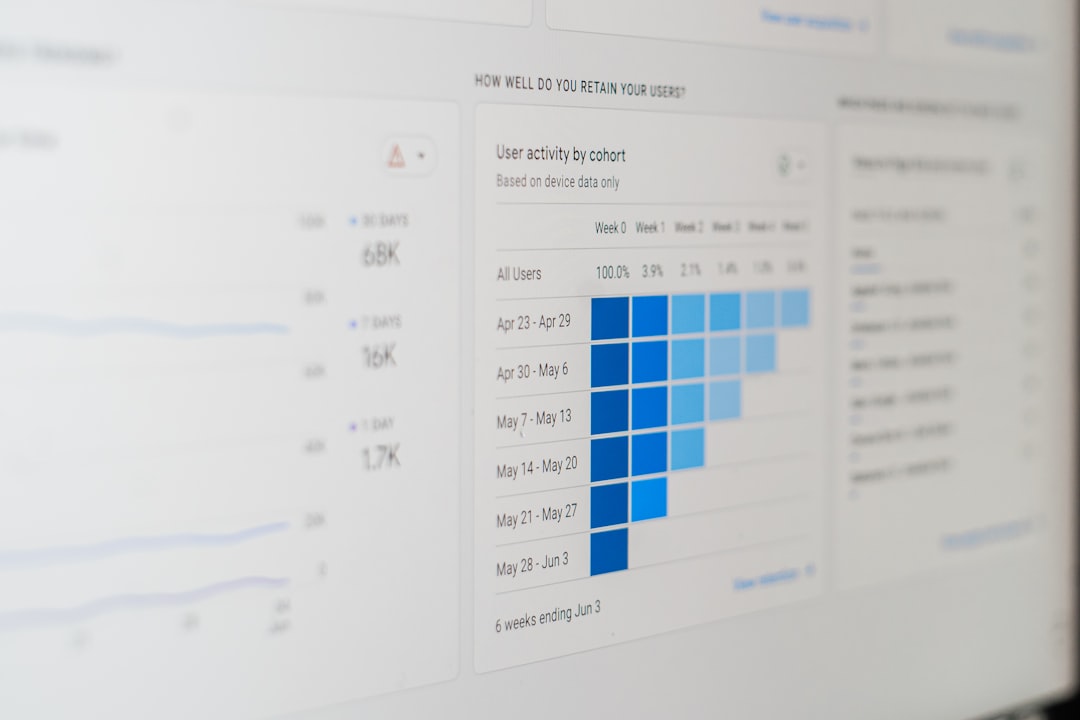
Best for: Large enterprises operating primarily within Microsoft’s ecosystem.
Potential considerations: Less appealing for organizations outside Microsoft’s infrastructure stack. Licensing structures can also become complex.
4. OutSystems
OutSystems is an enterprise-grade low-code development platform built for mission-critical applications. While more comprehensive (and expensive) than Budibase, it offers capabilities that extend beyond simple admin panels.
Key Strengths:
- Full application lifecycle management
- High scalability and performance optimization
- Strong DevOps integration
- Advanced security and compliance certifications
OutSystems enables development of both web and mobile applications with internal operational use in mind. It is often selected by enterprises seeking not just internal dashboards, but scalable operational systems.
Best for: Enterprises building complex, high-usage internal platforms that require long-term scalability.
Potential considerations: Higher cost and implementation complexity compared to lighter-weight tools like Budibase.
5. Internal.io
Internal.io focuses specifically on creating internal tools with polished user interfaces and minimal engineering overhead. It emphasizes speed and visual clarity.
Key Strengths:
- Quick database connections
- Clean, professional UI components
- Granular access controls
- Strong CRUD interface building
This platform stands out for organizations that need internal dashboards fast without dedicating full development cycles. It is common in operational teams such as customer success, finance, and logistics.

Best for: Operational teams requiring professional-grade admin panels with minimal engineering involvement.
Potential considerations: Less powerful for building highly customized logic-heavy applications.
Comparison Chart
| Platform | Best For | Customization Level | Open Source | Enterprise Readiness | Hosting Options |
|---|---|---|---|---|---|
| Retool | Engineering teams building fast internal tools | High | No | Strong | Cloud and self-hosted |
| Appsmith | DevOps-focused organizations | High | Yes | Moderate to strong | Self-hosted and cloud |
| Microsoft Power Apps | Microsoft-centric enterprises | Moderate | No | Very strong | Cloud |
| OutSystems | Large enterprise applications | Very high | No | Enterprise-grade | Cloud and on-premises |
| Internal.io | Operational teams | Moderate | No | Strong | Cloud |
Key Evaluation Criteria When Choosing an Alternative
When evaluating any of these platforms as an alternative to Budibase, teams should focus on structured decision-making criteria. Software for internal systems impacts operational continuity and data governance.
1. Integration Ecosystem
Assess whether the platform supports direct integration with your databases, ERP systems, REST APIs, authentication providers, and third-party SaaS tools.
2. Security and Compliance
Examine encryption standards, identity management options, audit logging capabilities, and compliance certifications relevant to your industry.
3. Scalability
Internal tools frequently start small but expand. Evaluate concurrency limits, data processing performance, and horizontal scaling capabilities.
4. Governance and Role Management
Enterprise teams require granular permission frameworks. Role-based views, approval workflows, and usage logging should not be an afterthought.
5. Total Cost of Ownership
Licensing models vary significantly. Consider user-based pricing, environment fees, support tiers, infrastructure costs, and opportunity costs of maintenance.
Strategic Considerations
Choosing an internal tool platform is not merely a technical decision—it is an operational investment. Teams must clarify whether they prioritize:
- Speed of development (Internal.io, Retool)
- Open-source control (Appsmith)
- Enterprise governance integration (Microsoft Power Apps)
- Long-term scalability and system complexity (OutSystems)
For some organizations, Budibase remains entirely sufficient. For others, scaling challenges, compliance constraints, or integration demands justify exploring alternatives.
Final Thoughts
The internal tools market is no longer niche; it is a critical category driving operational excellence across industries. While Budibase remains a respected option, platforms such as Retool, Appsmith, Microsoft Power Apps, OutSystems, and Internal.io offer diversified strengths to meet different organizational needs.
A deliberate evaluation—grounded in technical requirements, governance standards, and cost modeling—will ensure that your selected platform supports both immediate deployment and sustainable growth. Ultimately, internal systems are foundational infrastructure. Selecting the right builder today can significantly reduce operational friction tomorrow.
